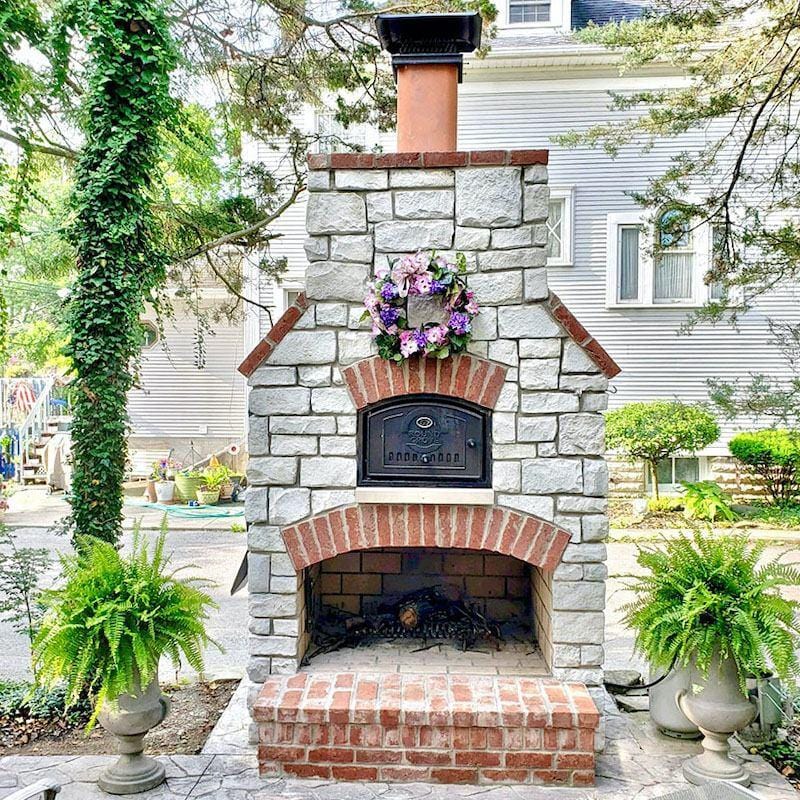
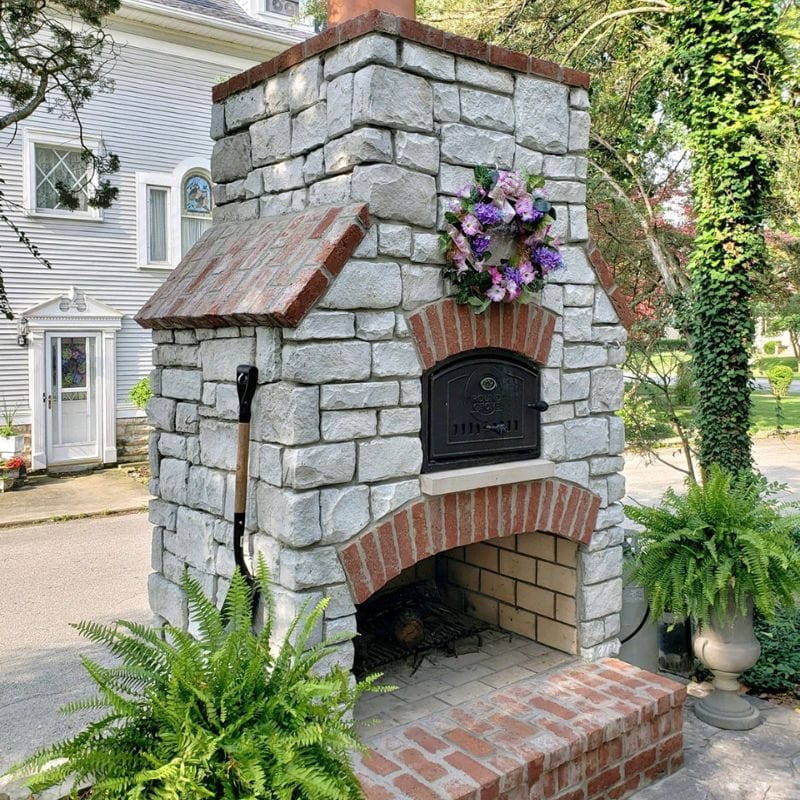
You’ve thought hard about the pizza oven. You’ve agonized over the grill.
You’ve planned the layout, the counter height, and the refrigerator placement.
And then, almost as an afterthought, you look down at the ground and realize you haven’t thought about what goes under all of it.
Patio flooring around an outdoor kitchen is a decision that matters more than many homeowners expect.
The surface underfoot takes more punishment than almost any other element in the space: dropped cast iron, grease drips, high-foot-traffic entertaining, heat from nearby cooking equipment, and everything the weather throws at it across the seasons.
It also sets the visual tone for the entire outdoor setup. The wrong call can lead to cracking, staining, or a surface that looks tired within a couple of seasons.
The good news is that there are excellent options across a range of styles, budgets, and maintenance needs. This roundup covers eight patio flooring ideas specifically suited to spaces that include a pizza grill, outdoor kitchen, or serious cooking setup.
What patio flooring around an outdoor kitchen actually needs to do
Before getting into the options, it helps to understand what this particular use case demands from a floor.
A decorative patio with garden furniture has relatively light requirements. A patio with a built-in outdoor kitchen, pizza oven, and regular entertaining is a different situation.
-
Slip resistance: Water, cooking juices, and olive oil can all end up on the floor around an outdoor kitchen. ANSI A137.1 recommends a minimum DCOF rating of 0.42 for outdoor surfaces. Glossy or polished finishes rarely meet this and should generally be avoided in cooking zones.
-
Heat tolerance: Dropped wood embers, radiant heat from a pizza oven, and the occasional errant log can all end up on the floor. Stone, tile, and concrete usually handle heat well. Composite decking or certain resin-sealed surfaces may scorch.
-
Ease of cleaning: Grease, ash, and food residue are part of the territory. Surfaces with wide grout joints, deep texture, or porous finishes can trap more residue over time. Low-porosity materials with manageable joint widths are usually easier to clean.
-
Thermal expansion tolerance: Outdoor surfaces heat up and cool down significantly between seasons and even between day and night. Correct joint sizing, flexible adhesive, and frost-rated materials all matter for preventing cracking over time.
1. Outdoor patio tiles built for real outdoor use

Outdoor tile is one of the most design-flexible choices for a patio kitchen because it can bring pattern, texture, color, and a more finished architectural feel to the space. The key is choosing tile that is actually suited to exterior use, not simply tile that looks good in a showroom.
Design brand OUTERclé’s gather tile collection is a great example of outdoor-focused patio tile ranges that includes a wide range of materials from cement, terrazzo, stone to marble, brick, terracotta, ceramic, and glass depending on the requirements.
So for homeowners drawn to a more crafted patio surface, this type of collection can be a useful starting point because it places exterior performance and design character in the same conversation.
From a practical standpoint, slip-resistant exterior tile for patios becomes especially important for outdoor cooking spaces that are exposed to water, oil, food spills, and regular foot traffic, so the surface needs to offer grip without losing its design character.
Cement and terrazzo surfaces, for example, can work well when they have a low-gloss, textured finish that supports better traction in wet or greasy areas.
Stone-based and cementitious compositions may also offer advantages in terms of freeze-thaw resistance, UV stability, and long-term color consistency, depending on the product and installation conditions.
-
Design note: Smaller-format cement encaustic and terrazzo tiles, around 20x20 cm to 30x30 cm, can work particularly well around cooking structures. The tighter grid of joints creates a surface that feels deliberate and craft-led without taking attention away from the oven or grill as the focal point.
-
Installation note: Artisan tile rewards a correctly prepared substrate. For a patio that will bear the weight of a pizza oven base or island unit, make sure the sub-base is compacted, level, and properly drained. Flexible tile adhesive and correctly sized expansion joints will help protect the installation through seasonal movement.
2. Porcelain pavers: the practical workhorse

For strong technical performance and straightforward maintenance, large-format outdoor porcelain pavers are a reliable choice.
Through-body porcelain carries the color and texture through the full tile depth, which means edge wear and minor chips are less visually obvious than they would be on a surface-only finish. That matters on a floor that sees dropped tools, grill equipment, and heavy furniture.
The best outdoor porcelain pavers carry DCOF ratings well above the 0.42 minimum threshold, particularly in grip-textured and matte surface ranges.
They are non-porous, frost-rated, and resistant to grease and ash. In many cases, cleanup is as simple as a hose, mild detergent, and occasional deeper scrubbing.
Brands including Porcelanosa, Marazzi, and Florim all carry outdoor-rated porcelain ranges worth considering.
The visual limitation is that even high-quality stone-look or concrete-look porcelain can sometimes be read as manufactured at close range. But for homeowners prioritizing low maintenance, durability, and consistency, porcelain delivers.
3. Natural travertine: warmth and heat tolerance combined
Travertine has been used around cooking fires and heat sources for centuries. That is not coincidental. The material stays relatively cool underfoot in warm climates, and its natural surface variation means minor marks can read as patina rather than damage.
For a patio built around a wood-fired pizza oven, travertine’s warm earth tones and irregular surface patterning suit the aesthetic naturally. It pairs especially well with brick, stucco, or rendered oven structures and the relaxed, Mediterranean-influenced entertaining style that often goes with them.
Installation note: Travertine is porous and requires sealing before outdoor use, with resealing every year or two depending on climate and exposure.
Avoid heavily tumbled travertine directly around the grill, as the uneven surface can trap grease more than a honed or filled finish. For pool-adjacent outdoor kitchens, confirm the product’s frost rating and pool chemical compatibility before specifying.
4. Brick pavers: the original outdoor kitchen floor
There is a reason traditional outdoor kitchens and brick oven builds often feature brick underfoot as well. Fired clay brick is heat tolerant, naturally slip resistant even when wet, and develops character over time in a way that feels honest and lived-in rather than simply worn out.
For patio areas that include a pizza oven or traditional grill station, brick pavers in a herringbone or running bond pattern can create visual continuity with the cooking structure itself. The material language connects the floor to the oven without requiring an exact match.
Installation note: Clay brick is porous and benefits from sealing, particularly in the zone directly around the grill.
Mortar joints in brick paving are wider than tile grout lines and can accumulate grease over time, so choose a joint width that balances the laying pattern with practical cleanability.
5. Concrete with an exposed aggregate or brushed finish

Poured concrete is the no-nonsense choice for outdoor kitchen flooring, and a well-executed finish can be more attractive than its reputation suggests.
An exposed aggregate finish reveals the texture of the aggregate material, creating a surface with genuine visual character and strong grip underfoot. A brushed finish achieves similar traction with a cleaner, more contemporary appearance.
Concrete handles heat well, tolerates heavy loads from equipment and grill bases, and is straightforward to clean.
If you are designing a larger patio area, a concrete base with a decorative tile or stone zone around the pizza oven or kitchen island can be both practical and visually effective. The concrete handles the structural requirements, while tile or stone adds design quality in the most visible area.
The main caveat is that poured concrete requires control joints to manage cracking, and a professional pour and finish makes a significant difference to the final result. Untreated concrete is also porous and benefits from sealing in cooking zones.
6. Bluestone or slate: dark, dense, and kitchen-ready
Bluestone and natural slate are dense, low-porosity stones that suit outdoor kitchen environments particularly well. Their dark tones do not show food marks or grease between cleanings as readily as lighter materials, which matters when the space is used often.
The surface is naturally textured enough to provide grip without requiring additional anti-slip treatment.
Both materials can handle frost well when properly specified, and they are among the tougher natural stone options for outdoor use. Bluestone in particular has a contemporary, architectural quality that pairs well with stainless steel outdoor kitchen components and modern grill stations.
The dark, cool palette also provides a strong visual contrast with warm-toned pizza oven materials like brick, terracotta, or stucco.
Practical note: Natural slate can be prone to flaking if the specific product is not rated for outdoor freeze-thaw conditions.
Always confirm frost resistance for the product you are specifying. Bluestone is generally more consistent in this regard but still benefits from periodic sealing.
7. Terracotta tile: unglazed, authentic, and full of character
Unglazed terracotta is one of the classic patio tile materials, and for a cooking-focused outdoor space with a wood-fired oven, the aesthetic fit is hard to ignore.
The warm red-orange tones, slightly irregular surface, and matte finish create the kind of relaxed, Mediterranean character that can make a pizza night feel like an event.
The practical caveat is important: unglazed terracotta is porous and requires correct sealing before outdoor use. It is best suited to covered or semi-covered patio areas rather than fully exposed surfaces, particularly in climates with significant freeze-thaw cycles.
In the right conditions, a well-sealed terracotta floor around a pizza oven can become one of the most characterful surfaces in the entire outdoor space.
For a pizza oven patio that should feel designed rather than assembled, terracotta’s handmade quality can make a visible difference.
8. Granite pavers: high-performance and low-maintenance for serious outdoor cooks
Granite is one of the hardest natural stones available and, unlike many other stone options, requires relatively little maintenance once installed correctly. Its low porosity means grease, oils, and cooking juices are less likely to absorb quickly into the surface, making cleanup easier.

For homeowners looking for a high-performance outdoor kitchen floor that largely looks after itself, granite in a flamed or brushed finish is a strong option. These finishes provide the slip resistance needed in a cooking zone without sacrificing the material’s natural depth of tone and pattern.
The main practical consideration is weight. Granite pavers are heavy, and installation requires a correctly specified and compacted sub-base.
The investment in preparation pays back through a surface that can look good and perform well for decades. For a patio built around serious cooking equipment and regular use, granite rewards long-view thinking.
Putting it all together: flooring and the outdoor kitchen as a system
The eight options above range from low-maintenance technical performers to high-character artisan materials. Which one is right for your setup depends on how you use the space, what your cooking setup looks like aesthetically, your climate, and how much ongoing maintenance you are prepared to do.
A few principles apply across all of them.
Correct substrate preparation is non-negotiable, particularly for heavy outdoor kitchen structures.
Slip resistance in the cooking zone is a safety issue, not just a specification checkbox.
And the floor material should fit the overall character of the outdoor space. A handmade brick pizza oven, for example, often feels more resolved when the surrounding floor has some texture, warmth, or craft behind it.
If you are building an outdoor kitchen that is meant to last and be used often, the floor deserves as much attention as the grill you are putting on it.
Reader more: How to create an outdoor dining space you'll love all year round for more on designing the full outdoor cooking and entertaining setup around your floor choice.